Mauritius’ Withdrawal from the CORSIA Voluntary Phase: An Analysis of Equity, Cost and Strategic Climate Policy Shifts

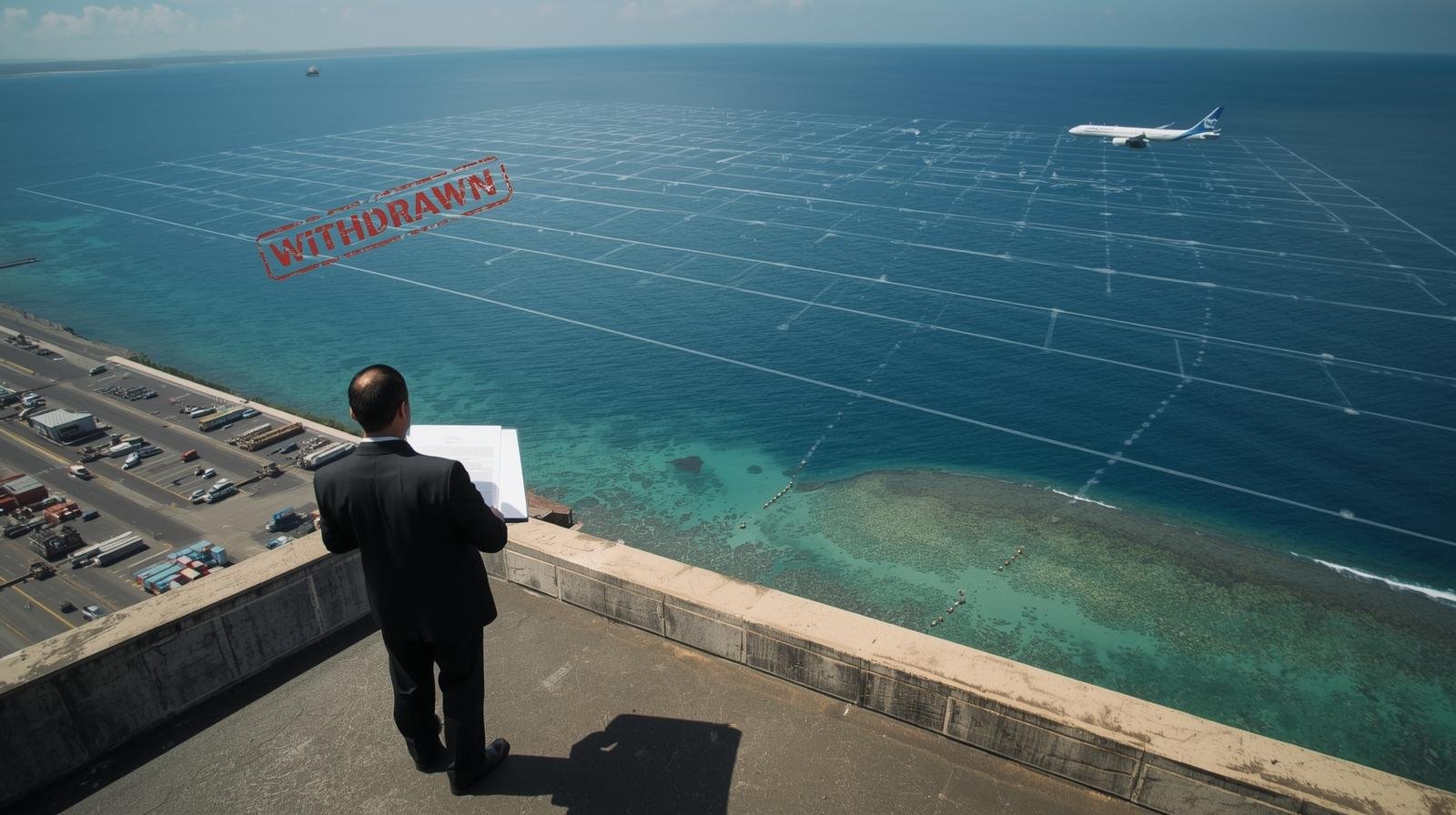
In August 2025, Mauritius notified the International Civil Aviation Organization (ICAO) of its decision to discontinue voluntary participation in the Carbon Offsetting and Reduction Scheme for International Aviation (CORSIA) from 1 January 2026. This article analyzes the drivers behind this reversal, identifying three interconnected factors: (1) persistent criticism of CORSIA’s equity for developing nations; (2) the financial and administrative burden on a small island developing state (SIDS); and (3) a strategic shift toward domestic carbon pricing and Article 6 carbon markets. The case highlights challenges in designing inclusive global market-based measures for aviation.
Introduction
CORSIA is ICAO’s scheme to cap net CO₂ emissions from international flights at 2019 levels. While participation is voluntary from 2024-2026, it becomes mandatory in 2027 for states with significant aviation activity. Mauritius, a SIDS, initially committed to join voluntarily in 2024 but reversed its decision in 2025. This article explores the rationale for this withdrawal as a calculated response to CORSIA’s perceived inequities, costs, and a reorientation of national climate policy.
CORSIA in Brief
The scheme requires airlines to offset emissions exceeding 85% of 2019 levels by purchasing eligible carbon credits. Its structure includes a pilot phase (2021-2023), a first voluntary phase (2024-2026), and a mandatory phase (2027-2035). Despite aiming to respect different national capabilities, CORSIA faces criticism for placing a disproportionate burden on developing countries with limited historical emissions.
Mauritius’ Initial Engagement and Reversal
In March 2023, Mauritius approved voluntary participation from 2024, aligning the move with its climate goals. However, by August 2025, it formally notified ICAO of its withdrawal effective January 2026. No official statement was released, but context points to clear drivers.
4Analyzing the Rationale for Withdrawal
1 Equity and Fairness Concerns
A core critique is that CORSIA’s growth-based metric unfairly burdens developing nations with growing aviation sectors but minimal cumulative emissions. Mauritius’s withdrawal appears a tactical refusal to lock its national carrier, Air Mauritius, into a scheme perceived as inequitable.
2 Financial and Administrative Burden
Compliance entails direct costs for purchasing credits—projected at tens of billions globally by 2035—and significant administrative complexity for monitoring, reporting, and verification. For a small carrier like Air Mauritius, these costs and capacity demands are disproportionately heavy. Withdrawal allows avoidance of these upfront hurdles.
3 Strategic Shift Toward Article 6 and Domestic Carbon Pricing
Mauritius is concurrently developing a carbon credit framework to participate in Article 6 of the Paris Agreement, which allows more flexible international credit trading. Domestically, it has implemented a Corporate Climate Responsibility (CCR) Levy, a 2% tax on corporate profits for climate projects. Stepping back from CORSIA avoids policy overlap and focuses efforts on these more flexible, revenue-generating instruments.
4 Preparing for the Mandatory Phase
Withdrawal from the voluntary phase does not preclude mandatory participation from 2027. The interim allows Mauritius to assess the scheme’s evolution, credit integrity, and potential equity adjustments, retaining negotiating leverage.
Implications
The decision highlights equity tensions that could undermine CORSIA’s global legitimacy. For Mauritius, it allows resource reallocation to potentially more beneficial domestic and Article 6 mechanisms but risks creating a patchwork of policies that may complicate Air Mauritius’s operations on routes to CORSIA-participating states. The case illustrates the tension between global harmonization and national policy space in aviation climate governance.
Conclusion
Mauritius’s withdrawal is a calculated policy shift driven by concerns over fairness, cost, and administrative capacity, and aligned with a strategic pivot toward Article 6 markets and domestic carbon pricing. As a SIDS, Mauritius seeks to maximize climate action while minimizing economic strain. This case underscores the need for global schemes like CORSIA to address equity concerns effectively to achieve universal participation.
Note on the Planet Standard Group:
Drawing from the Mauritius case study, the Planet Standard Group can provide critical services to help states and airlines navigate the complex interplay of CORSIA compliance, Sustainable Aviation Fuel (SAF) adoption, and emerging Article 6 mechanisms. For a state like Mauritius, concerned with equity and cost, Planet Standard’s advisory services could design a integrated strategy, aligning CORSIA compliance with the national Article 6 framework to generate sovereign carbon credits, thereby transforming a compliance cost into a potential revenue stream. For airlines, including carriers like Air Mauritius, the group can streamline the entire CORSIA compliance pipeline—from emissions monitoring and verification to sourcing high-integrity, cost-effective carbon credits—while simultaneously developing SAF procurement and blending strategies that meet both CORSIA eligibility and national levy incentives. Ultimately, by offering a unified platform that connects regulatory compliance with credit markets and fuel transition, The Planet Standard Group helps entities mitigate administrative burdens, optimize financial outcomes, and ensure their climate strategies are both globally consistent and nationally advantageous.
References
- ICAO. (2025). CORSIA States for Chapter 3 State Pairs (6th ed.). Retrieved from https://www.icao.int/sites/default/files/sp-files/environmental-protection/CORSIA/Documents/CORSIA-States-for-Chapter-3-State-Pairs_6Ed_web.pdf (showing removal of Mauritius due to discontinuation of voluntary participation).
- United Nations. (2025). Developing countries should not be liable for emissions ‘accumulated throughout history’. UN News. Retrieved from https://www.un.org/fr/desa/developing-countries-should-not-be-liable-emissions-‘accumulated-throughout (citing CORSIA’s “shortfall in fairness”).
- Government of Mauritius. (2023). Highlights of Cabinet Decisions – 09 March 2023. Port Louis: Prime Minister’s Office. (approving voluntary participation in CORSIA from 2024).
- Quantum Commodity Intelligence. (2025). Mauritius developing Article 6 carbon framework. Retrieved from https://www.qcintel.com/carbon/article/mauritius-developing-article-6-carbon-framework-49618.html (noting Mauritius’ work on an Article 6 carbon‑credit framework).
- Bowman’s Law. (2025). Mauritius: From tax to transformation – Can fiscal policy drive climate action? Retrieved from https://bowmanslaw.com/insights/mauritius-from-tax-to-transformation-can-fiscal-policy-drive-climate-action/ (describing the Corporate Climate Responsibility Levy).
- Argus Media. (2025). Clear airline demand key to Corsia carbon credit supply. Retrieved from https://www.argusmedia.com/en/news-and-insights/latest-market-news/2748489-clear-airline-demand-key-to-corsia-carbon-credit-supply (projecting airline costs for CORSIA credits).